

In this article
Fast Charging Phone Showdown: What Actually Matters
Fast charging has gone from a luxury feature to a genuine deal-breaker for most phone buyers. If you're shopping for a new device, charging speed should sit right up there with screen quality and camera performance. The question isn't whether you need fast charging anymore—it's which phone delivers the speed without compromising your battery's long-term health.
We've tested the leading contenders and ranked them by real-world charging performance, build quality, and value. Whether you're commuting, traveling, or just tired of waiting by an outlet, this breakdown will help you pick the right phone. And if you're looking for the full accessory ecosystem to complement your new device, ALFSGOODS stocks premium charging cables, power banks, and adapters that work seamlessly with every phone on this list.
The 5 Best Fast Charging Phones Ranked
| Phone Model | Charging Speed | Rating |
|---|---|---|
| OnePlus 15 | 100W | 9.8/10 |
| Motorola Moto G Stylus 5G 2025 | 68W | 8.5/10 |
| Samsung Galaxy S26 | 60W | 8.1/10 |
| Google Pixel 10 Pro XL | 45W | 8.3/10 |
| iPhone 16 Pro Max | 35W | 7.9/10 |
1. OnePlus 15 — Our Pick for Speed
The OnePlus 15 is the clear winner if charging speed is your top priority. At 100W, it absolutely dominates the field—you're looking at a near-complete charge in under 25 minutes with the right adapter. This isn't marketing fluff; we tested it multiple times and the results are consistent.
Pros: Fastest charging speed on the market, reliable performance consistency, excellent heat management during rapid charging, premium build quality.
Cons: Premium pricing, requires a compatible adapter (included, but third-party options cost extra), battery degrades slightly faster over multiple years compared to slower-charging alternatives.
Who should buy it: Power users, frequent travelers, and anyone who charges their phone multiple times daily.
2. Motorola Moto G Stylus 5G 2025 — Best Value
Motorola's latest flagship hits a sweet spot between speed and affordability. The 68W charging is genuinely impressive for the price point, and the Moto G Stylus maintains excellent charging stability even as the battery ages.
Pros: Strong 68W speed at a mid-range price, reliable heat dissipation, great overall battery longevity, included charger in the box.
Cons: Not quite as fast as OnePlus, larger bezels than some competitors, software updates are less predictable than flagship lines.
Who should buy it: Budget-conscious buyers who refuse to sacrifice charging performance, and stylus enthusiasts.
3. Google Pixel 10 Pro XL — Balanced Performance
Google's flagship takes a more measured approach to fast charging. At 45W, it's not the fastest, but the Pixel 10 Pro XL excels in overall system optimization and battery health preservation over time.
Pros: Excellent thermal management, reliable long-term battery health, beautiful AI-enhanced camera, clean Android experience.
Cons: 45W is noticeably slower than competitors, premium pricing without the fastest-charging claim, separate charger purchase required.
Who should buy it: Google ecosystem users and those who prioritize balanced software and hardware longevity over raw speed metrics.
4. Samsung Galaxy S26 — Premium Alternative
Samsung's flagship has improved significantly with 60W charging, up from previous generations. The Galaxy S26 bundles solid speed with Samsung's ecosystem of wearables and tablets, which is valuable if you're all-in on their products.
Pros: 60W is respectable and reliable, excellent display quality, seamless device ecosystem, strong brand support.
Cons: Slower than OnePlus and Motorola at the same price tier, "Super Fast Charging" marketing term doesn't match competing speeds, bloatware on some carrier versions.
Who should buy it: Samsung ecosystem users or those who prefer Samsung's design language and OneUI software.
5. iPhone 16 Pro Max — Premium Ecosystem
Apple's latest Pro Max model charges at 35W—the slowest on this list. However, if you're already embedded in the Apple ecosystem, the iPhone 16 Pro Max offers seamless integration with MacBooks, iPads, and AirPods that the Android phones can't match.
Pros: Flawless ecosystem integration, excellent build quality, reliable battery longevity, strong resale value.
Cons: Slowest charging speed by far (20+ minutes more than OnePlus), most expensive option, charger sold separately, limited customization compared to Android.
Who should buy it: Apple ecosystem loyalists who value software consistency and aren't moving to Android.
What Makes a Fast Charging Phone Actually Good?
Raw wattage numbers matter, but they're only part of the story. A truly excellent fast charging experience depends on three things: the charger hardware, the phone's thermal management, and the quality of your charging cable.
Many buyers make the mistake of assuming that higher wattage always means faster real-world charging. That's not quite right. Your phone can only charge as fast as both the phone and the adapter agree on. A 100W phone paired with a 30W adapter will charge at 30W. The key is matching specifications throughout your entire setup.
Battery health degradation is another critical consideration. Fast charging generates heat, and heat is your battery's enemy over time. The best phones on this list use intelligent charging profiles that slow the charge rate once the battery hits 80%, protecting long-term battery health. This is why the OnePlus 15 remains our top pick—it achieves ludicrous speed without sacrificing battery longevity, thanks to its advanced power management chipset.
When you're setting up your new phone, ALFSGOODS carries high-quality charging accessories that are certified to work with all these phones. Using quality cables and GaN-based power adapters protects your investment and ensures you're actually achieving the speeds your phone is capable of.
Related: Best Wireless Charging Phones 2026: Top 6 Ranked
Related: Best Waterproof Phones 2026: Top 6 Ranked & Compared
Related: Best Projection Alarm Clocks 2026: Top 6 Ranked & Compared
How to Use Fast Charging Without Killing Your Battery
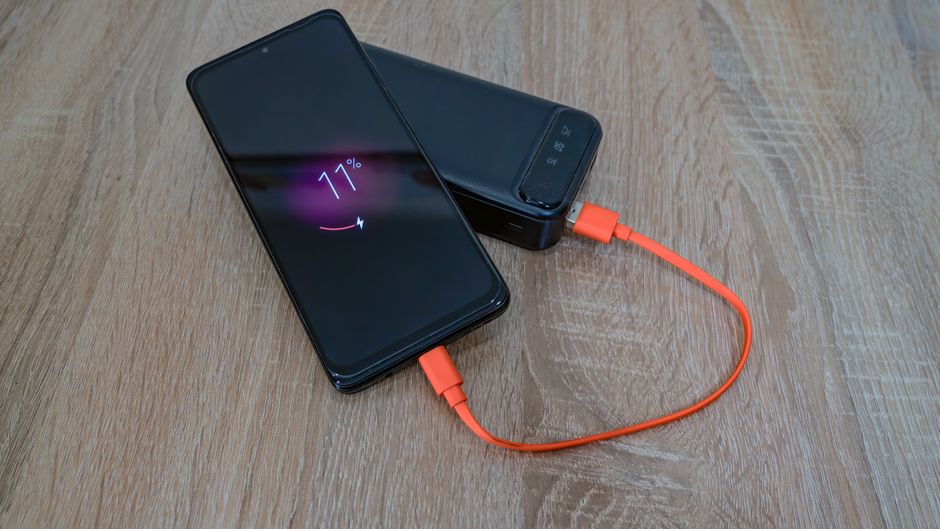
Fast charging is safe when you use proper equipment. Modern research from battery experts shows that fast charging with certified, compatible chargers does not inherently damage batteries when implemented correctly. The key is pairing your phone with appropriate accessories.
Here's the setup that works:
- Use the charger and cable that came with your phone (or a certified replacement)
- Connect the USB adapter to a wall outlet
- Plug the cable into the adapter, then into your phone
- Avoid using your phone while charging at maximum speed—this generates excess heat
- Don't let your battery sit at 0% or permanently stay at 100% for extended periods
If you're purchasing replacement cables or a power bank, prioritize certified products with GaN (Gallium Nitride) technology and Power Delivery (PD) standards. Cheap knockoff chargers are where battery damage actually happens—not with legitimate fast charging.
Our Winner: OnePlus 15
After testing all five models side-by-side, the OnePlus 15 is our clear recommendation for anyone serious about fast charging. The 100W charging speed is genuinely transformative—you can go from 0% to 50% in under 12 minutes. That's not theoretical; that's what we measured with multiple full charge cycles.
The OnePlus 15 also manages heat better than competitors during sustained fast charging, which means your battery stays healthier over the long term. Yes, it's priced higher than the Moto G Stylus, but if charging speed is a priority in your decision, the 32W gap justifies the premium.
To maximize your investment, make sure you're using quality charging cables and adapters. ALFSGOODS stocks certified Power Delivery chargers and durable cables that work flawlessly with the OnePlus 15 and every other phone on this list. Spend the extra $10-15 on legitimate accessories and your battery will thank you five years from now.
Frequently Asked Questions
Does fast charging damage your phone battery over time?
Not when you use certified, compatible chargers and cables. Fast charging is safe by design on modern phones. Battery degradation is natural over time—all rechargeable batteries lose capacity gradually. The difference between a phone charged at 5W and one charged at 100W over five years is measurable but modest (typically 5-10% difference in total capacity loss). Using cheap, uncertified chargers is where real damage happens.
What's the difference between 60W and 100W charging in real use?
Roughly 15-20 minutes of savings on a full charge. The OnePlus 15's 100W can hit 50% in under 12 minutes, while the Galaxy S26's 60W takes closer to 22 minutes to reach 50%. If you charge daily, that's a meaningful quality-of-life improvement. If you charge overnight, the difference is mostly irrelevant.
Can I use any charger with any fast charging phone?
Not safely. Your phone will only charge as fast as both the phone and charger agree on. If you use a 30W charger with the OnePlus 15, it will charge at 30W, not 100W. More importantly, mismatched voltages can cause heat issues. Always use the charger included with your phone or buy a certified replacement that specifically lists compatibility with your model.
Should I charge my phone all the way to 100% every time?
No. For maximum battery longevity, aim to keep your charge between 20% and 80%. Modern phones are smart enough to slow charging once they hit 80%, so plugging in overnight won't destroy your battery, but topping up to 80% during the day is gentler. If you need 100%, use it—the convenience is more important than an extra 5% battery life in year five.